Asymco Bulletin 026 - Aug 16, 2026
by Horace Dediu
Asymco Bulletin is a digest of all that was published during the week ending Aug 16, 2026.
Next Office Hours will be in-person
We are planning a face-to-face live Office Hours this fall, either in Boston or the Bay Area, open to Asymco One subscribers. If you would be interested in attending, write to events@asymco.com.
Research
The Economy Chosun Interview, Parts 1 & 2
Part 1 is about culture and innovation: how a company with modest founders and no wealthy backers survived on timing, persistence, and the willingness to be reborn, because Apple 2.0 has little to do with Apple 1.0 and we still call it one fifty year continuity. Part 2 is about the interface, which is where Apple has always ended up, deliberately or by accident, and which determines whether the next computing paradigm gives Apple a design surface or takes one away. Supply chains and geopolitics are management problems with management solutions. AI is the only genuinely strategic question, and the answer depends entirely on whether it turns out to be infrastructure or a platform. →
Nota Bene

Apple passes $10B/yr sales in India → India crossed $10 billion in annual Apple sales for the first fiscal year, up 11% and led by the iPhone with iPad and Mac also climbing. The market is still tiny next to Greater China's $18.8 billion in a single quarter or Japan's $6.6 billion. A weakening rupee and higher local pricing make it look better in dollars than it feels to a buyer paying $870 for the entry iPhone 17 versus $800 in the US. →
Asymetric
Asymetric Podcast: Episode 139 — No Free Lunch → Horace on the unbundling and rebundling of LLMs, and on the turmoil in the Korean stock market. →
Office Hours
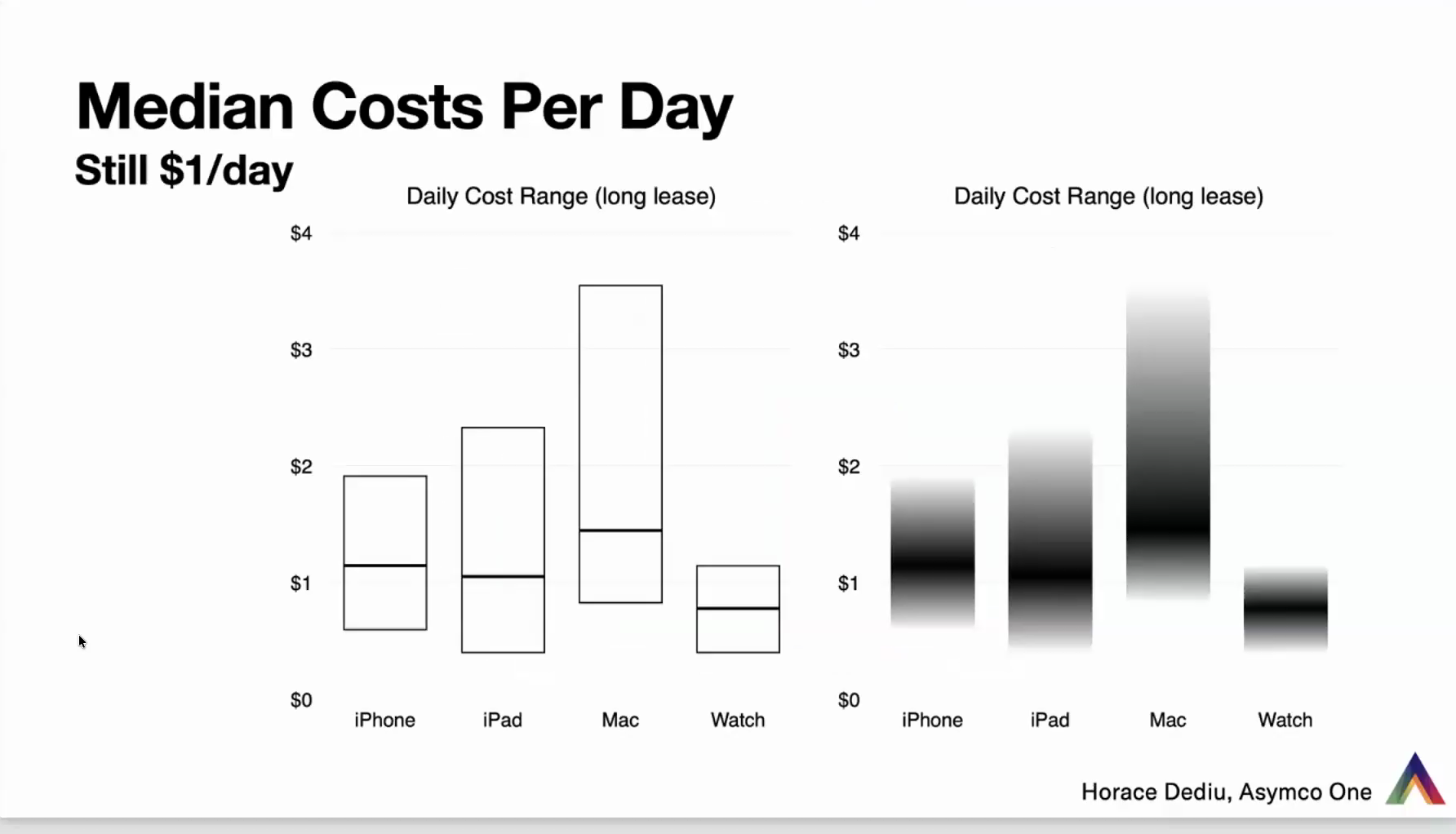
Apple Upgrade: down to the penny, up to an algorithm → The gap between short and long term lease multiples on the iPad, versus the iPhone's steeper 1:1.5, likely comes down to depreciation and residual value rather than any messaging. Every price looks algorithmic now, down to $50.01 for the two terabyte 11 inch iPad Pro, a sharp break from the deliberate, human-directed pricing that shaped the iPhone lineup. Someone needs to build a scraper and track this the way a market signal gets tracked, because these prices move and nobody is watching. The real puzzle is accounting: a leased device sitting in a customer's hands is not a sale, so where does Apple book it. →
Vision Pro and glasses: the job is seeing, not capturing → Vision Pro keeps getting funded because Apple believes in it, not because of some product roadmap logic, and the surgical results already coming out of hospitals are proof it does something real. The bigger opportunity is plain eyewear: the magnetic lens swap Zeiss built for Vision Pro is the same trick Apple pulled with Watch bands, and glasses are a market larger than watches ever were. Everyone else building smart glasses treats them as cameras for capturing what you see, the same mistake made with smart speakers built as microphones instead of speakers. Apple's glasses will be sold as an optical device first, the way the Watch was sold as a chronograph, because the job of eyewear has always been to help you see, not to record you. →
Cook Doctrine's remedy: floods don't change architectures → Cook calls the current semiconductor crunch a hundred year flood, and floods do not change how cities are built, they just get the dams built afterward. Apple is not going to turn itself into a chipmaker just because chip companies are printing money right now, because a windfall like that is closer to winning the lottery, and lottery winners often end up worse off. The pattern is always the same: Apple gets burned by a dependency, retail, Intel, Microsoft, Google Maps, and builds its own version so it never happens again. Leverage over suppliers is not a personality trait, it is what falls out of owning the customer relationship first and negotiating from scale second. →
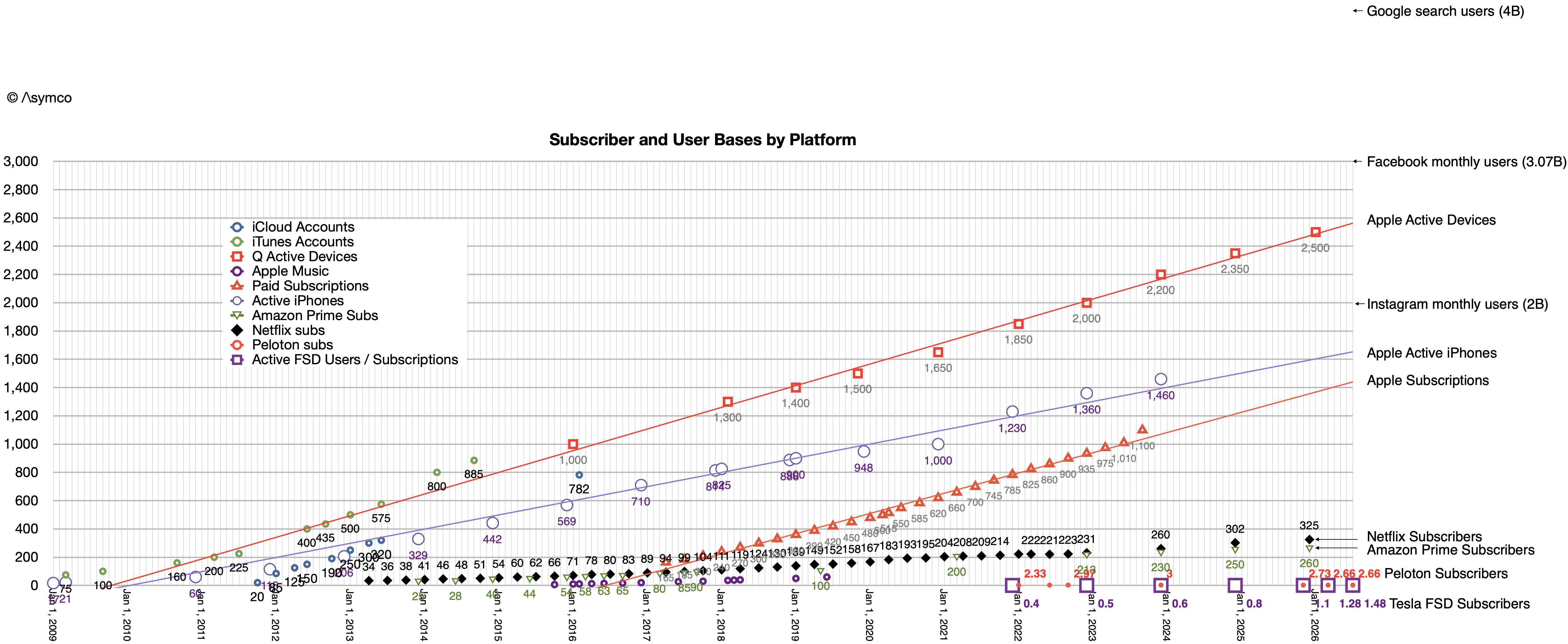
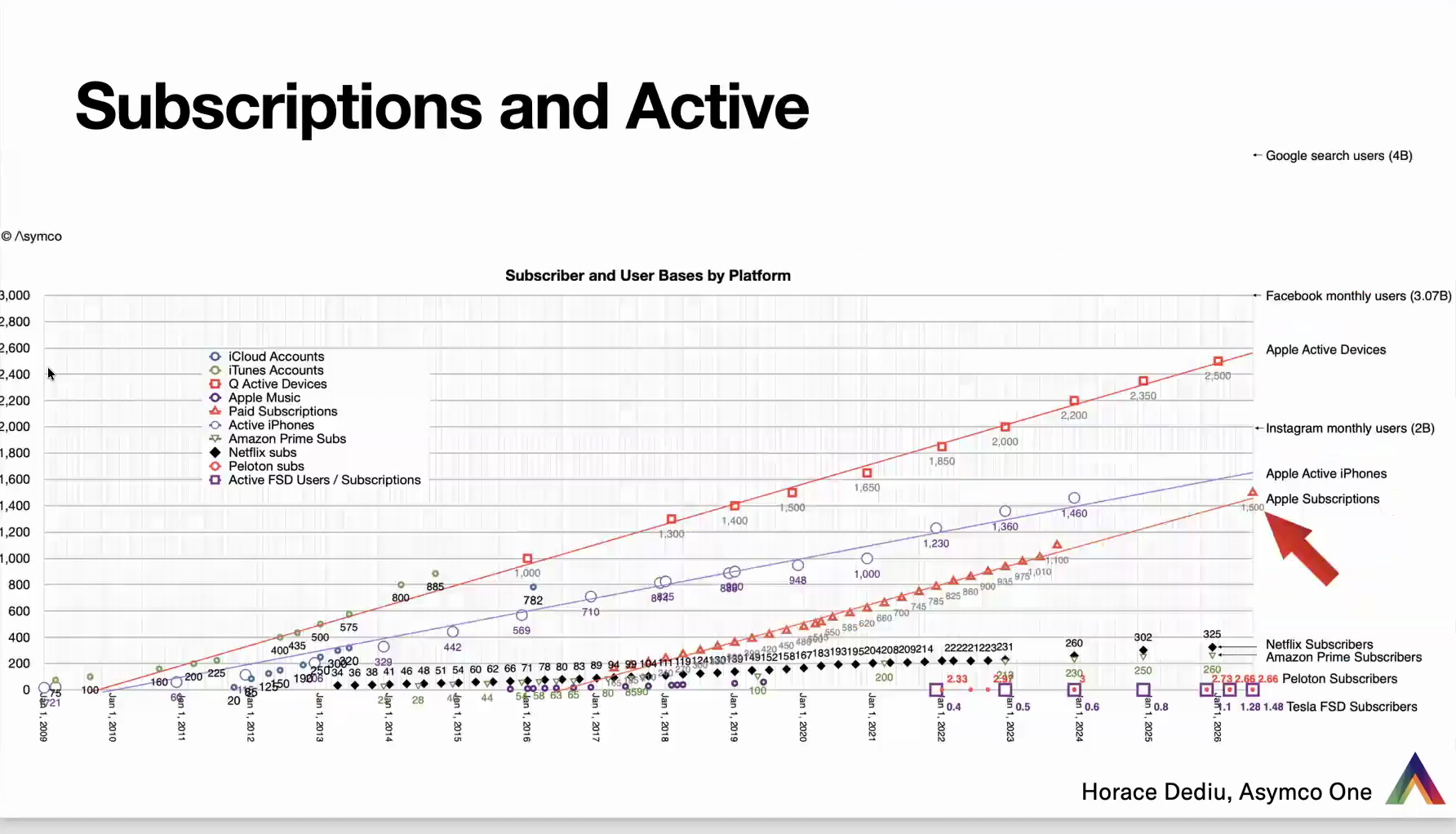
iPhone unit sales: count users, not phones → A weak unit number this quarter or the next few does not matter, because the installed base depends on the number of customers and how long they keep devices, both of which keep growing. Apple has had quarters with falling unit sales before and people wrote it off every time, so watch subscriptions and active devices instead of phones shipped. The guidance looks soft mostly because of engineering: a folding phone in limited production, a low end model pushed to next year, and the long planned split launch tied to Apple Upgrade. The comps will look ugly for a while because Apple is deliberately rearranging the calendar it has wanted to rearrange for fifteen years. →
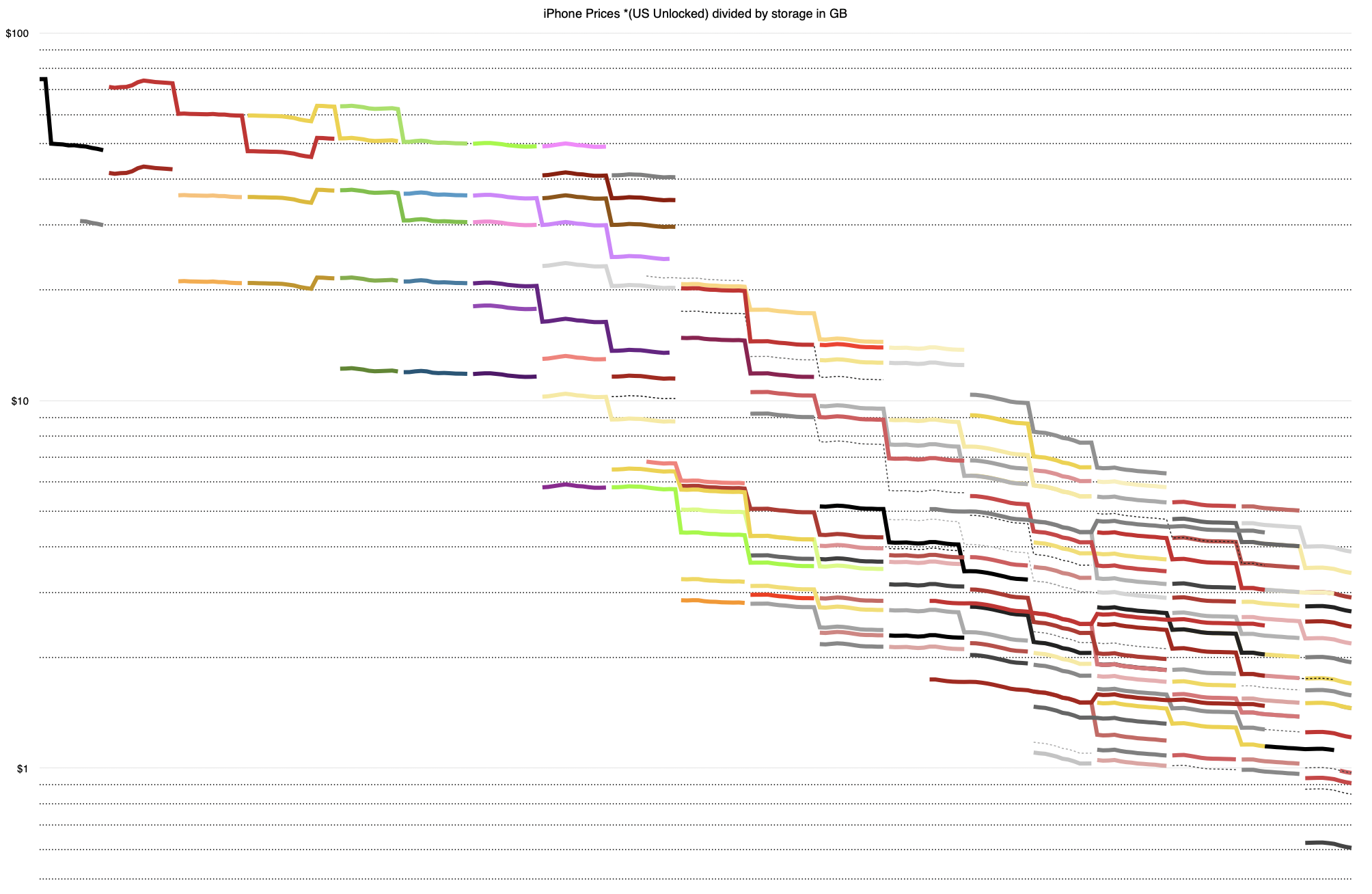
The SoC crunch: Apple has had fires and earthquakes too → Apple's lever on the chip shortage is squeezing everyone else in the bill of materials first, the screen, the battery, the casing, even though those suppliers are already thin on margin. Contract length and exclusivity give Apple more room to negotiate than price alone. This is a hundred year flood, but Apple has weathered fires and earthquakes before and treats a components crunch as a solvable operational problem, not an existential one. The real existential risk is simpler: a workforce that walks out the door one day and does not come back. →
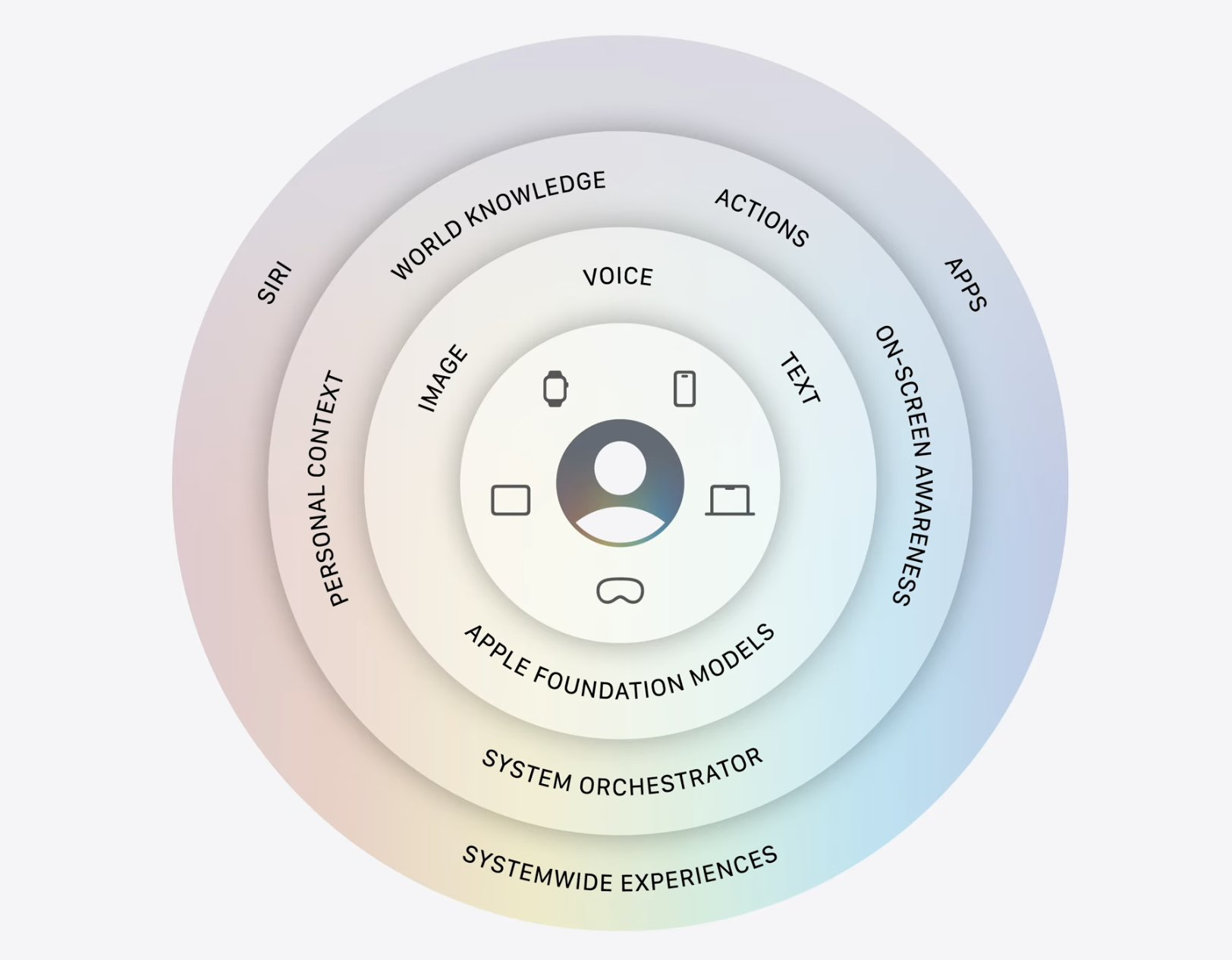
EU tech policy: playing chess by looking ahead one move → EU regulators play chess one move ahead while applying a twenty year old theory of gatekeepers and app store fragmentation to a digital world that has already moved past it. A thousand app stores sounds like consumer choice until nobody can find anything, so the market collapses back to a single gatekeeper anyway, the same lesson from Nokia's era as from iTunes. Compromise legislation tends to produce something consumers hate, GDPR and cookie banners being the proof, and people simply route around it. If Siri AI gets delayed in Europe over this, Europeans become second class users of their own devices, and Apple will still just stick to its guns. →
Asymco One gives you full access to our research, analysis, and commentary. Subscribe with code BULLETIN for a discount.
Feedback: Have questions or comments? Reach out to us at contact@asymco.com. We'd love to hear from you.
Comments