EU tech policy: playing chess by looking ahead one move
Office Hours Research #2026FQ3 #Q&A · 1 comment
by Horace Dediu
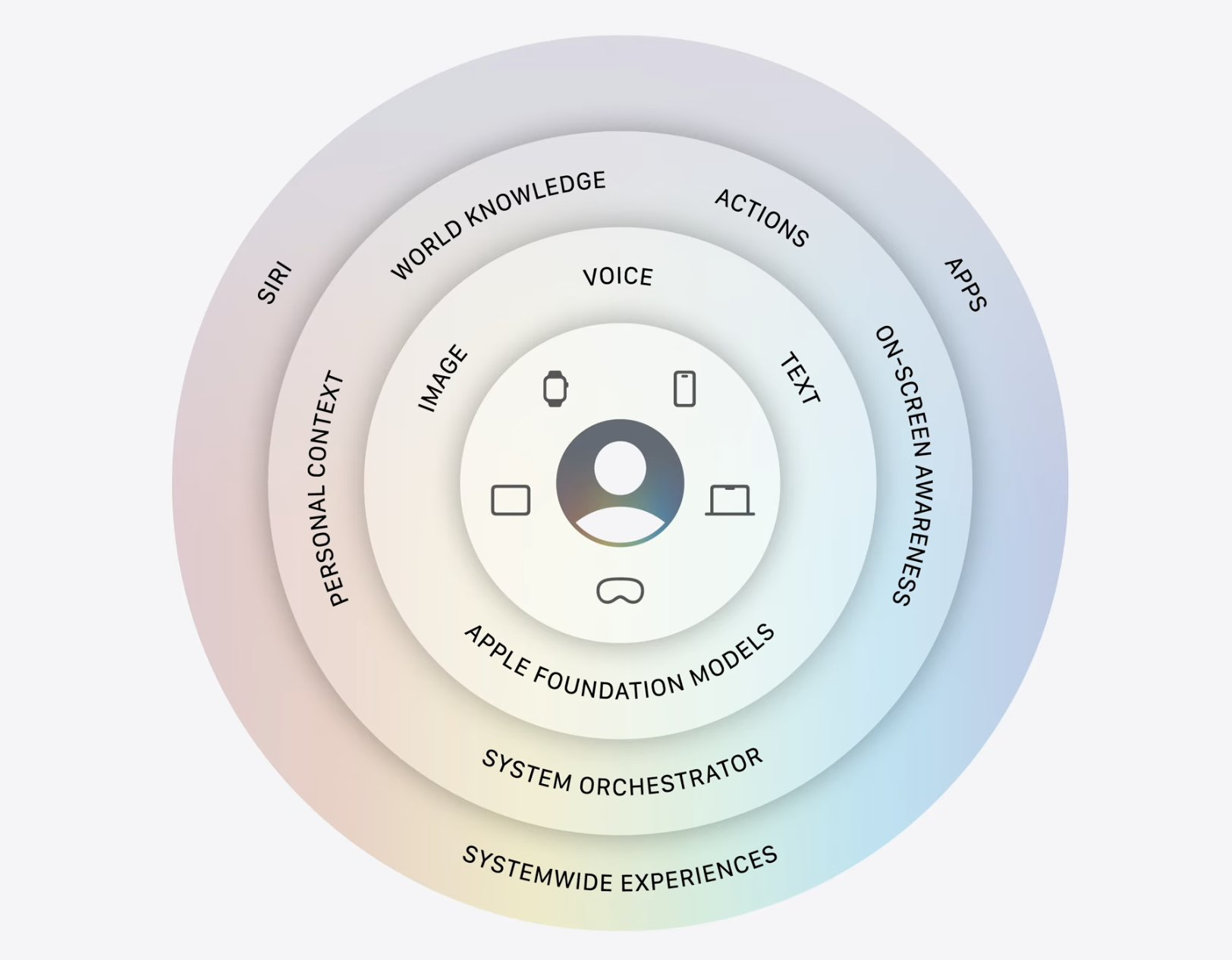
An Office Hours question asked by Tom M., July 31, 2026.
Q: How do you see the Siri AI stand-off with the EU evolving? Does Apple's key differentiator — deep integration of hardware, software, and services — become an obstacle under extreme EU policy demands?
Dealing with these regulators is like playing chess with someone who only thinks one move ahead. It might sound easy, but it's also super frustrating if you're trying to enjoy the game. They are very poorly educated — that's the nicest way I can put it — about how technology works, how the business of technology works. They might know engineering, they might know science, but they don't know business, especially tech business, and the platform game. Or they've read about the theory in a book written 20 years ago, which they think is the Bible. The book might be saying things about platforms and lock-in and how monopolies emerge in technology industries. They take that as their Bible, and then they apply it to a world that has moved on dramatically since.
I felt this very much when I was at Nokia. Even 20 years ago at Nokia, we were thinking: the way you create an ecosystem is by encouraging creators to create apps, but also by encouraging retailers to sell apps — having a large abundance of app sellers, because they'll know how to sell. You don't need to have a store; let a thousand stores bloom. We didn't think that apps would be sold by one store — and that consumers would hate the idea of having to go shopping for apps in a thousand stores. That's a dumb idea. But regulators probably still think it's a great idea — a dumb idea from 20 years ago, that the distribution of apps, or for that matter music, should be fragmented. At the time, we did see the emergence of the iTunes store. iTunes was a singular store, and everybody was appalled: no, there should be 15,000 music stores online. Because if you looked at the physical world, you'd say: I don't buy CDs in one monopoly store. If I want a CD, I can go to Tower Records or Barnes & Noble. If I want to watch a movie, I have a choice among all these theaters.
Here's why it doesn't work in the digital world: if you can't find these thousand stores easily, you're not going to spend your time looking for them, so you have to ask somebody — where do I find this music? — and that somebody would have to be Google or Microsoft, and they become the monopolist, because they're the gatekeeper. Before them it was Yahoo, your entry point to everything on the internet. When you have too many options, you don't give the consumer any benefit at all. It actually makes it impossible to discover, impossible to find. The digital domain has no analogy in the physical domain. But from the point of view of a regulator, they're using an economic theory that's decades old, calling these companies gatekeepers because they have some number of users, and then applying gatekeeping theory not just to distribution but suddenly to components of the operating system — as if AI becomes a component of the operating system.
It's frustrating to play chess with someone who plays one move ahead, or doesn't even know the rules of the game. You'd just walk away — but they can't do that. They have to deal with this. I don't know how many lobbyists and how many consultants and how many lawyers you need to hire to explain your position. There's a back and forth, and eventually something is decided. Usually what happens is you compromise and deliver something to the consumer that is horrible, and the consumer rejects it — as they did GDPR, as they did cookies and all these other things. You just make life worse, and eventually people rebel and say: we want the best things, not the crappy things.
If they delay Siri AI because of the EU? Then they won't launch any product that depends on AI in the EU, and EU citizens will have to say: why am I a second-class citizen? Europeans not having access to, for example, smart home technology, or smart glasses, or smart other things. That might happen. People will start to smuggle things. I've always maintained — this was in the era of tariffs — if you fight against the market, the market reacts and wins, because it finds ways to work around you. It's unpleasant, but that's how things happen. Markets are powerful. I wouldn't worry too much about Apple. Apple's just going to stick to its guns.
Editor's Note: This was one of the questions asked by participants in Asymco's July 2026 Office Hours live Q&A session, held the day after Apple's FQ3 2026 earnings and open to Asymco One subscribers.
Subscribe to Asymco One for full access to this and other content.
1 comment
masanti.luis ·
Disclaimer: Although being an Argentine born person, my gran-grandparents came here from Italy and Spain… as the majority Argentinians.
I have a totally different… and most probably wrong… vision of what is the EU doing. Two points:
1— They ae longing for the old days… like two centuries ago… when they were the center of the world, the dominan civilization. Now, that is gone in the hand of tech. They are trying to keep… being ‘someone‘ in this world, and while speaking of ‘competition‘ they just are trying to to put stone in the evolution or tech —as many times they invoke CSAM to ask for backdoors in privacy—. For that reason… it does not bother politicians to limit security and possibilities to their citizens.
2— I do not know how politician collect money for their election's campaigns… but for sure, they will get more money from European companies than from US companies. The German ‘war‘ agains Transparency in Tracking Ads seems in the track.